Dahlgren Capital Market House View: May 2026
NACHO: Not A Chance Hormuz OpensIn our previous market reports we have been more pessimistic than the consensus both as regards the development of the Gulf War itself and about its economic repercussions. Unfortunately, it seems we were right.
A month ago, optimism was on the rise as a “ceasefire” was proclaimed. A month later, the parties are still far from serious talks. Iran has choked the world by blocking the Hormuz Strait, while the US is choking Iran. They are like two wrestlers locked in a fateful grip, from which neither can break loose. Each side seems to underestimate the other’s intransigence. And futures markets seem to underestimate the physical obstacles to restoring energy supplies. Negotiations about Iran’s nuclear programme are going nowhere. President Trump is oscillating between triumphalist proclamations that the war is already won and horrendous threats of new bombings.
Prediction markets have turned more pessimistic, postponing the expected truce and opening of the Strait. Paul Krugman jokes that TACO — Trump Always Chickens Out — has been replaced by NACHO — Not a Chance Hormuz Opens.
Physical obstacles to supply cause stagflation fears
As a result, oil futures have soared. As we write this, the spot price for Brent oil is around 120 USD per barrel. Forward prices have also turned up. This reflects the realization that it will take a long time before oil production and distribution can return to normalcy. Still, futures markets seem to underestimate the physical obstacles to restoring energy supplies. Many vessels are still locked up in the Strait, and nobody knows when there will be safe passage. Furthermore, to get their cargo to destination – and new vessels to load – will take even longer. Super tankers move slowly… To repair damaged production facilities may in some cases take years. Release of reserves will help only marginally.
Even worse, shipments of nitrogen and fertilizers necessary for agriculture are also blocked, leading to failed crops and even starvation in poor regions. In the US, farmers are cutting back cultivation, so even America is hurt.
The macro results are starting to emerge:
- Inflation is gradually picking up in several countries. Even in the US, which is not dependent on imported oil, inflation is now above 3 per cent; 1-2-year expectations are at the same level and rising. In the Euro Zone, gas prices have risen sharply, which pushed inflation clearly above ECB’s target.
- Growth forecasts are revised down. “Demand destruction” is coming as energy supply is hurt and prices rise – and possibly will rise more. Germany’ government recently cut its (already low) growth projections for 2026 in half, down to 0,5 per cent. Clearly, the continent is approaching stagflation territory.
In this environment, central banks face an uncomfortable quandary. Stimulate against stagnation or reflate against inflation? Markets are betting on tighter policies than before the war. Expected cuts from the Fed have turned into expectations of the FOMC staying put, while ECB is expected to hike, despite poor growth. Bond yields have risen all over. The average 10-year yield (for the US, UK and EZ) has risen from 3.8 per cent to 4.2 per cent. 30-year-bonds are now sniffing at 5 per cent both in the US and the UK.
Nonetheless, US stocks are still breaking records, courtesy of strong earnings forecasts, primarily in the tech sector. Semiconductor firms are soaring. But while impressive, the upturn also creates some worries, since it is highly concentrated. Previous warnings of expensive over-investment are back.
So, how do we see the future?
We believe that the big central banks in the foreseeable future will see inflation risks as more dangerous than recession risks. Hence, we agree with the market consensus that ECB and BOE will hike, while the Fed stays put. President Trump expects the new Fed Chair to cut rates, but the Open Market Committee does not contain a majority for rate cuts. On the contrary, several members have explicitly stated they do not want an easing bias. Kevin Warsh will probably try to work through the Fed’s balance sheet, aiming to use some kind of Quantitative Tightening to combat inflation pressures. Any rate cuts will have to wait, frustrating Mr Trump.
Tighter monetary policy and rising public debts will keep bond yields elevated, across the entire yield curve. Markets will gradually adjust to a new normal, characterised by supply-driven inflation and debt worries. However, we do not see a great risk for an inflation shock of the same calibre as in 2022. For that to happen, wage earners must demand – and succeed in obtaining – sharp wage increases as a response to higher gas and electricity prices. And the labour market in general is too weak for that to happen.
The dollar will gradually weaken, as interest differentials to the Euro Area shrink and markets grow wearier of US economic policy shenanigans.
Sweden is in a stronger position than many other, courtesy of strong public finances. However, fiscal policy is undergoing a sharp turn towards profligacy. This will tend to push up bond yields, albeit not much. Inflation will stay low, because of cuts of the VAT and energy taxes. The Riksbank will stay on hold.
The most difficult task is to project the stock markets. They diverge wildly, with e.g Brazil and US booming, but much of Europe slumping. The US market is shrugging off the geopolitical risks taking its cue from high profit projections. Momentum is strong. However, we fear that the worsening geoeconomic environment will eventually put an end to the bull market. Consensus EPS growth for the next year is at the highest rate in recent history, which means negative surprises may well occur. Last week’s mixed reactions to earnings releases demonstrate that investors are becoming more sensitive – not to say apprehensive – to gargantuan plans for capital spending. Our base view is consequently one of volatility and herd behaviour.
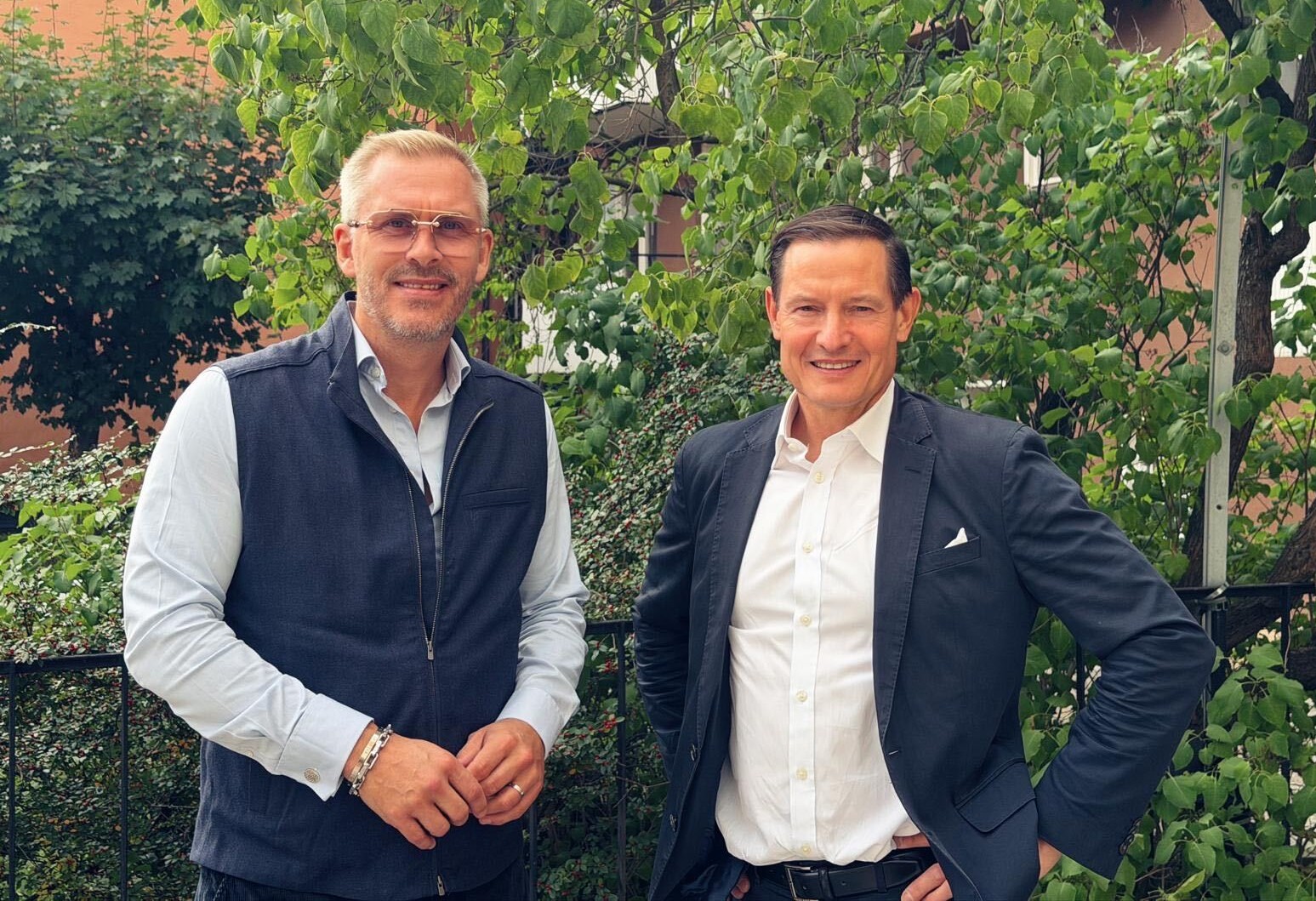
Hans Sterte & Klas Eklund
Dahlgren Capital
*Disclaimer: This monthly letter is for informational purposes only and should not be construed as financial or investment advice. It does not constitute an offer to buy or sell any security or financial product, nor does it provide an explicit or implicit investment recommendation. The views expressed reflect current market conditions and are subject to change. We strongly encourage readers to conduct their own research and seek independent financial, legal, or other professional advice before making investment decisions. Neither the authors nor Dahlgren Capital accept any liability for any loss or damage arising from reliance on this analysis.